
Tiles vs Marble Flooring: Cost, Look & Durability Compared

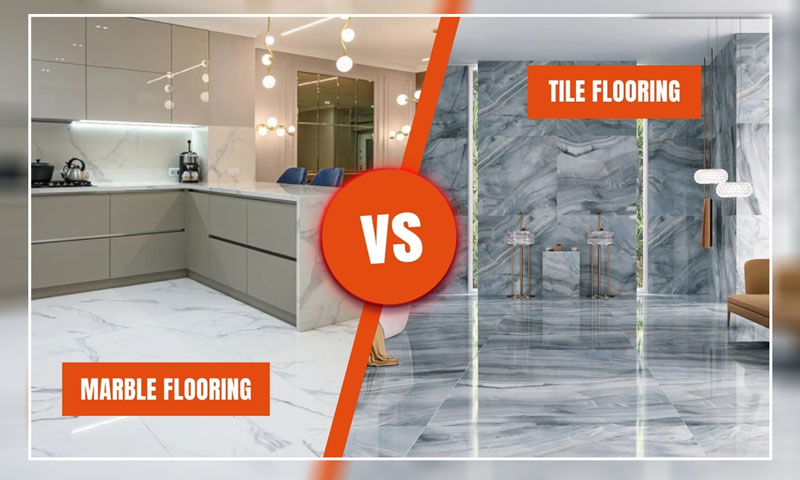
Choosing the right flooring is one of the most important decisions while designing or renovating a home. Flooring affects not only the appearance of your interiors but also maintenance, comfort, durability, and overall property value. Among the most popular choices today, tiles and marble flooring remain top contenders for homeowners, architects, and interior designers.
But when comparing tiles vs marble flooring, which one is better for your home?
The answer depends on your budget, lifestyle, maintenance preferences, and aesthetic goals. In this guide, we compare marble and tile flooring based on cost, appearance, durability, maintenance, installation, and long-term value to help you make the right decision.
Understanding Tile Flooring
Tile flooring is made using ceramic, vitrified, porcelain, or other engineered materials. Modern tile designs can mimic natural stone, wood, concrete, and even marble, making them a versatile flooring option for contemporary homes.
Tiles are widely used because they are affordable, easy to maintain, and available in countless colors, finishes, patterns, and sizes.
Advantages of Tile Flooring
1. Affordable Pricing
Tiles are generally more budget-friendly than natural marble. Homeowners can find quality tile options across different price ranges, making them suitable for both budget and premium projects.
2. Wide Variety of Designs
Modern tile technology offers highly realistic textures and finishes. You can achieve a luxury marble-like appearance without spending heavily on natural stone.
3. Easy Maintenance
Tiles are resistant to stains, moisture, and scratches. Cleaning usually requires only regular sweeping and mopping.
4. Better Water Resistance
Porcelain and vitrified tiles are highly water-resistant, making them ideal for kitchens, bathrooms, balconies, and utility spaces.
5. Faster Installation
Tile flooring installation is generally easier and quicker compared to marble flooring.
Understanding Marble Flooring
Marble is a natural stone known for its luxurious appearance, elegance, and timeless appeal. It has been used in palaces, hotels, temples, and premium homes for centuries.
Each marble slab features unique veins and natural patterns, giving interiors a sophisticated and exclusive look.
Advantages of Marble Flooring
1. Premium Aesthetic Appeal
Marble instantly adds elegance and luxury to any space. Its natural patterns create a rich and timeless interior style.
2. Long Lifespan
With proper maintenance, marble flooring can last for decades and even generations.
3. Natural Cooling Effect
Marble stays naturally cool, making it an excellent flooring choice for warm climates.
4. Increases Property Value
High-quality marble flooring often enhances the resale value and premium feel of a property.
5. Unique Natural Patterns
Unlike manufactured tiles, no two marble slabs are exactly the same, giving your home a distinctive appearance.
Tiles vs Marble Flooring: Detailed Comparison
1. Cost Comparison
Tile Flooring Cost
Tiles are available in affordable to premium price ranges. Basic ceramic tiles are economical, while imported vitrified or designer tiles may cost more.
However, even premium tiles are usually less expensive than high-quality marble.
Marble Flooring Cost
Marble is significantly more expensive due to quarrying, transportation, polishing, and installation costs. Imported marble varieties can become extremely costly.
Additionally, marble installation requires skilled labor, increasing overall expenses.
Winner: Tiles
If budget is your priority, tiles are the more economical option.
2. Appearance & Style
Tile Flooring Look
Tiles offer versatility. You can choose glossy, matte, textured, wood-finish, stone-finish, or marble-look tiles based on your interior theme.
Modern large-format tiles create a sleek and minimalistic appearance.
Marble Flooring Look
Marble delivers unmatched natural elegance. The depth, veining, and shine of genuine marble create a luxurious ambiance that tiles often try to replicate.
Winner: Marble
For luxury and timeless aesthetics, marble stands ahead.
3. Durability Comparison
Tile Durability
Vitrified and porcelain tiles are highly durable and resistant to scratches, stains, and moisture. They work well in high-traffic areas.
However, tiles may crack under heavy impact.
Marble Durability
Marble is durable but softer than porcelain tiles. It can develop scratches, stains, and etching over time if not maintained properly.
Marble also requires periodic polishing to retain its shine.
Winner: Tiles
For everyday durability and lower maintenance, tiles perform better.
4. Maintenance Requirements
Maintaining Tiles
Tiles are easy to clean and generally require minimal upkeep. They resist moisture and most household stains.
Maintaining Marble
Marble is porous and can absorb liquids like coffee, oil, or wine if not sealed properly. It needs regular polishing and sealing to maintain its appearance.
Acidic cleaners can damage marble surfaces.
Winner: Tiles
Tiles are far easier and cheaper to maintain.
5. Installation Process
Tile Installation
Tile installation is faster and simpler. Replacement of damaged tiles is also relatively easy.
Marble Installation
Marble installation requires precision, leveling, polishing, and experienced craftsmanship. The process takes longer and increases labor costs.
Winner: Tiles
Tiles offer easier installation and repairs.
6. Heat & Comfort
Tiles
Tiles may feel colder and harder underfoot depending on the material.
Marble
Marble naturally remains cool and comfortable, especially in hot weather conditions.
Winner: Marble
Marble provides better natural cooling and premium comfort.
Which Flooring Is Best for Different Areas?
Best Flooring for Living Rooms
If you want a luxurious and premium appearance, marble is ideal for living rooms and formal spaces.
For modern interiors with lower maintenance, large-format tiles work beautifully.
Best Flooring for Kitchens
Tiles are better for kitchens because they resist moisture, stains, and spills.
Best Flooring for Bathrooms
Anti-skid tiles are safer and more water-resistant for bathroom use.
Best Flooring for Bedrooms
Both options work well. Marble gives a luxury hotel-like feel, while tiles provide easier maintenance.
Tiles vs Marble Flooring: Pros and Cons
Feature | Tiles | Marble |
Cost | Affordable | Expensive |
Appearance | Modern & versatile | Luxurious & timeless |
Maintenance | Easy | High maintenance |
Durability | Highly durable | Durable but softer |
Water Resistance | Excellent | Moderate |
Installation | Easy | Complex |
Lifespan | Long-lasting | Extremely long-lasting |
Cooling Effect | Moderate | Excellent |
Final Verdict: Tiles or Marble?
The choice between tiles and marble flooring ultimately depends on your priorities.
Choose tiles flooring if you want:
Affordable pricing
Low maintenance
Modern designs
Water resistance
Faster installation
Choose marble flooring if you want:
Luxury aesthetics
Timeless elegance
Natural stone appeal
Higher property value
Premium interiors
For many modern homes, a combination of both works best — marble in living areas and tiles in kitchens, bathrooms, and utility spaces.
Before making a final decision, consider your budget, lifestyle, climate, and long-term maintenance expectations. Investing in the right flooring can significantly improve both the beauty and functionality of your home.
FAQ
Is marble better than tiles for flooring?
Marble offers a more luxurious appearance, while tiles are easier to maintain and more budget-friendly.
Which flooring lasts longer?
Both can last for decades, but marble requires more maintenance over time.
Are tiles cheaper than marble?
Yes, tile flooring is generally more affordable than marble flooring.
Which is easier to maintain: marble or tiles?
Tiles are easier to clean and maintain compared to marble.
Can tiles look like marble?
Yes, modern vitrified and porcelain tiles can closely mimic natural marble designs.


Comments