
Sustainable Homes: Trend or the Future of Construction?
- Arjun Anil
- May 12
- 4 min read

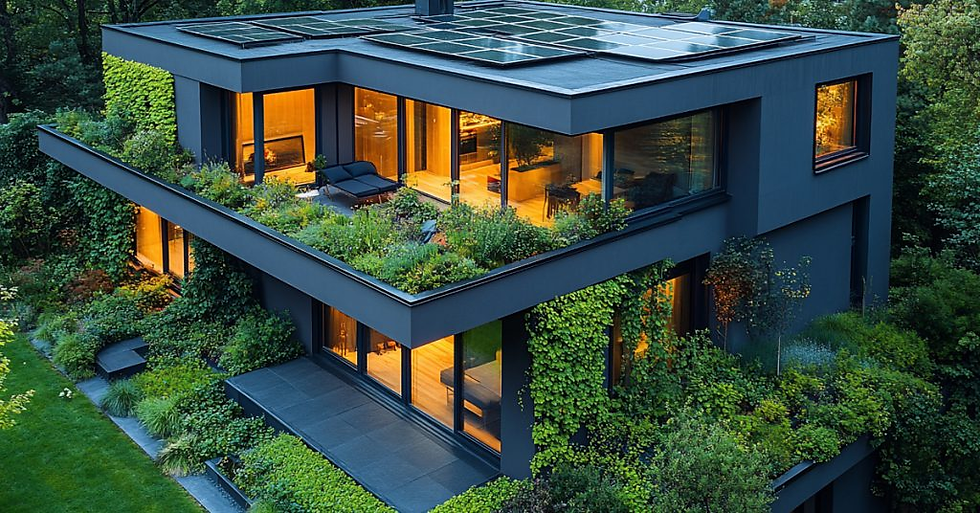
The construction industry is undergoing a major transformation. As climate change, rising energy costs, and environmental concerns continue to grow, homeowners and builders are looking for smarter and more responsible ways to build. One concept that has quickly moved from a niche idea to a mainstream movement is sustainable homes.
But are sustainable homes simply a temporary trend, or are they truly the future of construction?
The answer is becoming clearer every year. Sustainable homes are no longer limited to luxury eco-resorts or experimental architecture. Today, they are becoming an essential part of modern living, combining energy efficiency, environmental responsibility, comfort, and long-term cost savings.
In this blog, we explore why sustainable homes are gaining popularity, their benefits, the technologies driving them, and why they are likely to define the future of the construction industry.
What Are Sustainable Homes?
Sustainable homes are residential buildings designed to reduce environmental impact while improving efficiency and quality of life. These homes focus on minimizing energy consumption, conserving natural resources, and creating healthier living environments.
A sustainable home typically includes:
Energy-efficient lighting and appliances
Proper insulation and ventilation
Solar energy systems
Rainwater harvesting systems
Eco-friendly construction materials
Smart home technology
Natural lighting and airflow optimization
The goal is to create homes that are environmentally responsible, economically practical, and comfortable for long-term living.
Why Sustainable Homes Are Becoming Popular
1. Rising Energy Costs
Electricity and utility costs are increasing worldwide. Sustainable homes help reduce monthly expenses through energy-efficient systems, solar panels, and better insulation.
Homes designed with passive cooling and natural ventilation require less dependence on air conditioning, making them more cost-effective in the long run.
2. Environmental Awareness
Modern homeowners are becoming more environmentally conscious. People now understand the impact construction has on carbon emissions, waste generation, and natural resource depletion.
Sustainable construction practices help reduce pollution and support a greener future. Many homeowners want their homes to reflect responsible living and environmental care.
3. Healthier Living Spaces
Sustainable homes are designed to improve indoor air quality, maximize natural light, and reduce exposure to harmful chemicals often found in conventional building materials.
Features like improved ventilation, non-toxic paints, and natural materials create healthier and more comfortable indoor environments for families.
4. Government Support and Green Policies
Many governments are encouraging green building practices through incentives, tax benefits, and environmental regulations.
Green certifications and energy-efficient building standards are becoming increasingly important in the real estate and construction sectors.
Key Features of Sustainable Homes
Energy Efficiency
Energy efficiency is one of the most important aspects of sustainable housing. This includes:
LED lighting
Smart thermostats
Energy-efficient appliances
High-performance windows
Solar panels
Proper insulation
These features significantly reduce electricity usage and environmental impact.
Water Conservation
Water scarcity is becoming a major global concern. Sustainable homes use systems that help conserve water, such as:
Rainwater harvesting
Low-flow plumbing fixtures
Greywater recycling systems
Water-efficient landscaping
These systems help reduce water wastage while lowering utility bills.
Eco-Friendly Materials
Traditional construction materials often have high environmental costs. Sustainable construction focuses on materials that are renewable, recycled, or locally sourced.
Popular sustainable materials include:
Bamboo
Recycled wood
Fly ash bricks
Reclaimed metal
Low-VOC paints
Natural stone
These materials reduce carbon emissions and support environmentally responsible construction.
Smart Home Integration
Technology plays a major role in sustainable living. Smart systems allow homeowners to monitor and optimize energy usage efficiently.
Examples include:
Automated lighting systems
Smart energy meters
Motion sensor lighting
Automated temperature control
Solar energy monitoring systems
Smart homes improve convenience while reducing unnecessary energy consumption.
Sustainable Homes and Modern Architecture
Modern sustainable architecture focuses on blending aesthetics with functionality. Architects today are designing homes that not only look beautiful but also perform efficiently.
Open layouts, natural lighting, rooftop gardens, and climate-responsive designs are becoming common features in modern sustainable homes.
Sustainable architecture also emphasizes the connection between indoor and outdoor spaces, creating homes that feel more natural, peaceful, and healthy.
Are Sustainable Homes Expensive?
One of the biggest myths about sustainable construction is that it is extremely expensive.
While the initial investment may sometimes be slightly higher, sustainable homes provide long-term financial benefits through:
Lower electricity bills
Reduced maintenance costs
Higher property value
Better durability
Lower water consumption
Over time, homeowners often recover the extra investment through operational savings.
As green technologies become more common, the cost of sustainable construction is also becoming more affordable.
The Role of Sustainable Homes in the Future of Construction
The future of construction is moving toward smarter, greener, and more efficient buildings. Sustainable homes are expected to play a major role in this transformation.
Climate Change Response
The construction industry contributes significantly to global carbon emissions. Sustainable building practices help reduce environmental damage and support climate goals.
Future construction projects will increasingly focus on reducing energy use and carbon footprints.
Urban Development and Smart Cities
As cities continue to grow, sustainable housing will become essential for managing energy, water, and waste efficiently.
Smart cities of the future will rely heavily on green infrastructure, renewable energy, and environmentally responsible buildings.
Changing Buyer Preferences
Modern homebuyers are actively looking for eco-friendly and energy-efficient homes. Sustainability is becoming a major factor in real estate decisions.
Properties with green certifications and sustainable features often attract higher demand and better resale value.
Challenges in Sustainable Construction
Although sustainable construction is growing rapidly, there are still challenges that need attention:
Limited awareness among homeowners
Higher upfront costs in some projects
Lack of skilled professionals in green building
Limited availability of certain eco-friendly materials
However, as technology advances and awareness increases, these challenges are gradually reducing.
How Builders and Homeowners Can Adopt Sustainability
For Builders
Use locally sourced materials
Design climate-responsive buildings
Reduce construction waste
Incorporate renewable energy systems
For Homeowners
Install solar panels
Use energy-efficient appliances
Harvest rainwater
Choose eco-friendly interiors and finishes
Even small changes can make a significant difference over time.
Conclusion
Sustainable homes are no longer just a passing trend. They represent a major shift in how people think about living, construction, and environmental responsibility.
With rising energy costs, increasing environmental awareness, and advancements in green technology, sustainable construction is becoming the future of the housing industry.
These homes offer a perfect balance of comfort, efficiency, cost savings, and environmental care. Whether it is through solar energy, smart technology, eco-friendly materials, or water conservation systems, sustainable homes are redefining modern living.
As the world moves toward greener solutions, sustainable homes are not simply an option anymore — they are becoming the new standard for the future of construction.


Comments