
Smart Homes in India: What’s Actually Worth It?
- Arjun Anil
- May 12
- 4 min read

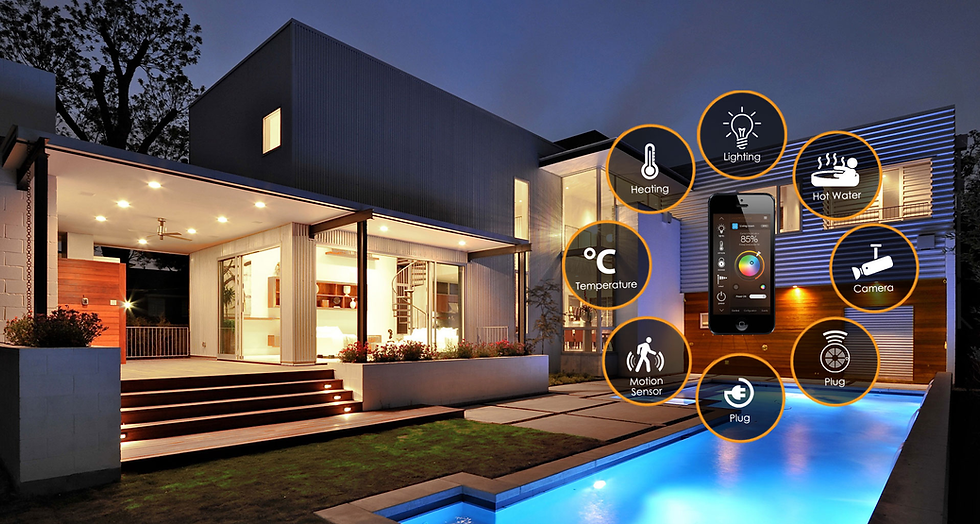
The idea of living in a smart home once felt futuristic. Today, smart homes in India are becoming increasingly common, especially in urban apartments, villas, and newly constructed homes. From voice-controlled lights to AI-powered security systems, homeowners are investing heavily in smart home technology.
But with so many gadgets and automation systems available, an important question remains: What’s actually worth it?
Many smart devices sound exciting in advertisements but offer little practical value in daily life. Others genuinely improve convenience, safety, energy efficiency, and comfort. If you are planning to upgrade your home or are building a new one, understanding where to invest can save both money and frustration.
This guide breaks down the smart home features that truly make sense for Indian homes in 2026.
Why Smart Homes Are Growing in India
Several factors are driving the rise of smart homes in India:
Faster internet connectivity
Affordable smart devices
Increased smartphone usage
Demand for energy-efficient homes
Growing focus on security and convenience
Homeowners today want more control over lighting, security, appliances, and energy usage. Builders and interior designers are also integrating smart home automation into modern residential projects to attract buyers.
However, not every smart gadget deserves a place in your home.
Smart Security Systems Are Absolutely Worth It
If there is one smart home investment that offers immediate value, it is security.
Smart Door Locks
Smart door locks provide keyless entry using fingerprints, PIN codes, smartphones, or RFID cards. These are especially useful for:
Families with children
Airbnb properties
Working professionals
Elderly residents
You no longer need to worry about lost keys or duplicate copies.
Why It Works Well in India
Easy access management for maids and staff
Better apartment security
Convenient for multi-family homes
Video Doorbells and CCTV Cameras
Smart video doorbells and CCTV systems allow homeowners to monitor visitors remotely.
Benefits include:
Live mobile monitoring
Motion alerts
Cloud recording
Improved safety
This is particularly valuable in gated communities, villas, and independent homes.
Worth It?
Yes — especially in cities where security concerns are increasing.
Smart Lighting Is One of the Best Entry-Level Upgrades
Smart lighting is affordable, practical, and easy to install.
You can:
Control lights using voice assistants
Automate schedules
Dim lighting remotely
Reduce electricity wastage
For example, lights can automatically switch off when nobody is in the room.
Best Use Cases
Living rooms
Bedrooms
Outdoor lighting
Mood lighting for interiors
Is It Worth Spending More?
Basic smart bulbs are enough for most homes. Expensive full-home lighting automation systems are only worth it for luxury homes or large villas.
Smart Appliances: Choose Carefully
Not every smart appliance adds value.
Smart ACs and Smart Thermostats
These are genuinely useful because they help reduce electricity bills while improving comfort.
Features include:
Remote control
Scheduling
Energy monitoring
Automatic temperature adjustments
In India’s climate, smart cooling systems can make a noticeable difference in power consumption.
Worth It?
Definitely — especially in cities with long summers.
Smart Refrigerators
Smart refrigerators sound impressive but are often unnecessary for most Indian households.
Features like:
Internal cameras
Grocery tracking
Touchscreen displays
usually do not justify the high price.
Worth It?
Not really, unless you specifically want premium luxury features.
Voice Assistants Are Useful — But Keep Expectations Realistic
Devices like voice assistants have become central to many smart homes.
They can:
Control lights and appliances
Play music
Set reminders
Manage routines
For example, saying “Good Night” can:
Turn off lights
Lock doors
Switch on security mode
The Reality
Voice assistants are helpful for convenience, but they are not essential.
Worth It?
Yes, if integrated with other smart devices. On their own, their usefulness is limited.
Smart Curtains and Motorized Blinds: Luxury or Necessity?
Motorized curtains look elegant and work well in:
Large homes
Luxury interiors
High windows
Home theaters
They can be scheduled based on sunlight or temperature.
However, for most Indian households, they remain more of a luxury feature than a practical necessity.
Worth It?
Only if you are already investing in premium interiors.
Energy Monitoring Systems Are Highly Underrated
Electricity costs are rising across India, making energy efficiency more important than ever.
Smart energy monitoring systems help homeowners:
Track appliance usage
Identify energy wastage
Reduce power bills
Some systems even suggest ways to improve efficiency.
Why This Matters
Many homeowners invest in expensive gadgets but ignore long-term savings.
Worth It?
Yes — especially for larger homes with high electricity consumption.
Smart Kitchens: Practical Features Matter Most
Smart kitchens are becoming a trend in modern Indian homes, but practicality should come first.
Worthwhile Smart Kitchen Features
Motion-sensor lighting
Smart chimneys
Smart water purifiers
Gas leak detectors
These features improve safety and convenience.
Less Useful Features
App-controlled coffee makers
Smart ovens with excessive automation
AI recipe screens
These are often expensive without offering real daily value.
What Most Indian Homes Actually Need
For most homeowners, the best smart home setup includes:
Essential Smart Home Features
Smart security system
Smart lighting
Smart AC control
Voice assistant integration
Energy monitoring
Wi-Fi-enabled appliances where practical
This combination delivers the best balance of:
Convenience
Security
Energy efficiency
Cost-effectiveness
Common Mistakes People Make With Smart Homes
Buying Too Many Gadgets
Many homeowners buy devices simply because they are trendy.
The result:
Complicated systems
Compatibility issues
Poor user experience
Ignoring Ecosystem Compatibility
Before purchasing devices, check compatibility with:
Alexa
Google Home
Apple HomeKit
A fragmented system becomes difficult to manage.
Over-Automation
Not everything needs automation.
For example:
Manual switches are often faster
Overcomplicated routines become frustrating
Good smart home design should simplify life, not complicate it.
Are Smart Homes Worth It in India?
Yes — but only when done thoughtfully.
The smartest homes are not the ones with the most gadgets. They are the homes where technology genuinely improves:
Safety
Comfort
Efficiency
Daily convenience
For Indian homeowners, practical upgrades like smart security, lighting, and energy management offer the best returns. Luxury automation features can always be added later if needed.
The key is to focus on systems that solve real problems rather than chasing trends.
Final Thoughts
Smart homes in India are no longer limited to luxury villas or tech enthusiasts. With affordable automation and better technology, homeowners can now create smarter living spaces without overspending.
The best approach is to start small:
Invest in security first
Add smart lighting
Improve energy efficiency
Expand gradually based on lifestyle needs
A well-planned smart home is not about showing off technology — it is about creating a home that works better for you every day.


Comments