
Interior Design Budget Split: Furniture vs Finishes vs Labor

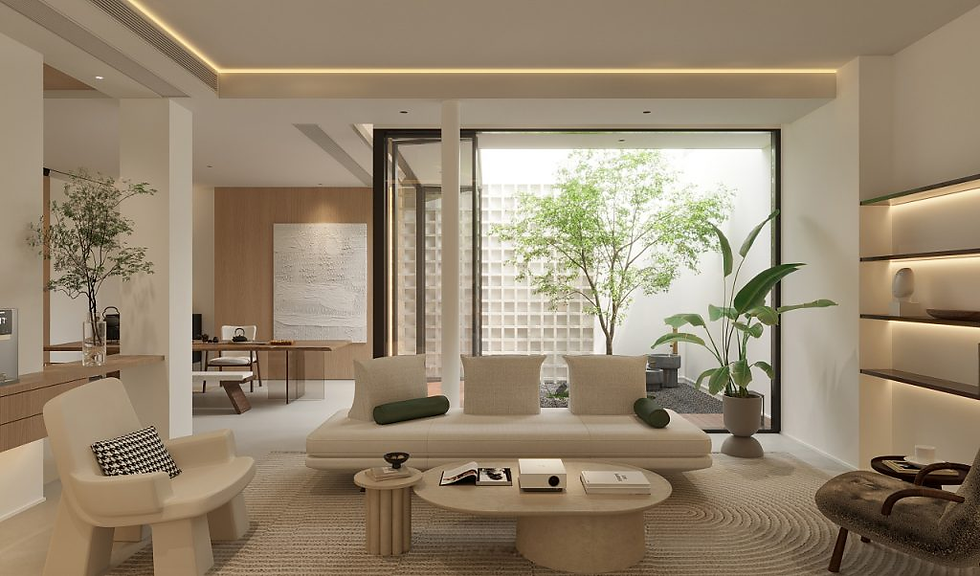
Planning a home interior project can feel overwhelming, especially when it comes to budgeting. Many homeowners focus only on furniture costs and forget critical elements like finishes and labor. A well-planned interior design budget split helps you avoid overspending while ensuring a balanced and visually appealing space.
Whether you are designing a new home, renovating an apartment, or upgrading a commercial space, understanding how to allocate your budget between furniture, finishes, and labor is essential for successful project execution.
In this guide, we’ll break down how interior designers typically divide budgets and how you can make smarter financial decisions for your project.
Why Budget Planning Matters in Interior Design
Without a clear budget structure, projects often face:
Unexpected expenses
Delays in completion
Compromises in quality
Poor material selection
Overspending on non-essential items
A strategic budget allocation ensures every part of your project receives adequate investment while maintaining functionality, comfort, and aesthetics.
Ideal Interior Design Budget Split
Although the exact ratio depends on project size, style, and location, a common industry-standard split looks like this:
Category | Recommended Budget Allocation |
Furniture | 35% – 45% |
Finishes | 25% – 35% |
Labor & Installation | 20% – 30% |
This balance helps maintain both visual appeal and structural quality.
1. Furniture Budget (35% – 45%)
Furniture usually takes the largest portion of an interior design budget because it directly impacts comfort, functionality, and aesthetics.
What Includes Furniture Costs?
Sofas and seating
Dining tables
Beds and mattresses
Wardrobes and storage
Coffee tables
Office furniture
Custom furniture pieces
Factors Affecting Furniture Costs
Material Quality
Solid wood furniture costs more than engineered wood or MDF options.
Custom vs Ready-Made
Custom-designed furniture offers uniqueness but increases manufacturing and labor costs.
Brand and Design
Luxury designer furniture can significantly raise the total budget.
Smart Furniture Budgeting Tips
Invest more in frequently used pieces like sofas and beds.
Mix premium furniture with budget-friendly accents.
Choose timeless designs over short-term trends.
Prioritize durability over aesthetics alone.
2. Finishes Budget (25% – 35%)
Finishes define the final visual appeal of a space. They influence the texture, mood, elegance, and overall atmosphere of interiors.
What Comes Under Finishes?
Flooring
Wall paints
Wallpapers
Tiles
Laminates
Veneers
Lighting fixtures
False ceilings
Hardware fittings
Why Finishes Matter
Even expensive furniture can look average if finishes are poorly selected. Premium finishes enhance the luxury feel and increase property value.
Areas Where You Should Spend More
Flooring
High-traffic areas need durable materials like vitrified tiles, hardwood, or premium vinyl.
Lighting
Layered lighting creates depth and improves ambiance.
Kitchen & Bathroom Finishes
Moisture-resistant materials improve longevity and maintenance.
Cost-Saving Ideas for Finishes
Use statement finishes only in focal areas.
Combine premium and economical materials strategically.
Choose easy-maintenance surfaces to reduce future costs.
3. Labor & Installation Budget (20% – 30%)
Labor is often underestimated, but skilled workmanship is critical to achieving high-quality interiors.
What Includes Labor Costs?
Carpenters
Electricians
Painters
Tile installers
False ceiling workers
Plumbing labor
Interior contractor fees
Why Labor Quality Is Important
Poor labor can ruin even the best materials and furniture. Professional execution ensures:
Proper alignment
Better durability
Cleaner finishing
Faster project completion
Factors Influencing Labor Costs
Project Complexity
Customized designs and intricate detailing require skilled labor and more time.
Location
Urban cities generally have higher labor charges.
Timeline
Urgent projects often involve premium labor costs.
Tips to Manage Labor Expenses
Hire experienced professionals instead of choosing the cheapest option.
Finalize designs early to avoid rework.
Use clear contracts with defined deliverables.
Monitor site work regularly.
Sample Interior Design Budget Breakdown
For a project budget of ₹10 Lakhs:
Category | Percentage | Approx Cost |
Furniture | 40% | ₹4,00,000 |
Finishes | 30% | ₹3,00,000 |
Labor & Installation | 25% | ₹2,50,000 |
Contingency | 5% | ₹50,000 |
Keeping a contingency fund is highly recommended to handle unexpected expenses.
Common Interior Budgeting Mistakes to Avoid
Spending Too Much on Furniture
Many homeowners overspend on luxury furniture and later compromise on finishes and labor quality.
Ignoring Hidden Costs
Transportation, installation, taxes, and maintenance costs are often overlooked.
Not Planning for Future Needs
Choose flexible designs that can adapt to future lifestyle changes.
Choosing Cheap Labor
Low-cost workmanship may lead to repairs and additional expenses later.
How to Prioritize Your Interior Budget
The ideal budget split depends on your goals:
For Luxury Interiors
Focus more on:
Premium finishes
Custom furniture
High-end lighting
For Rental Properties
Prioritize:
Durability
Low maintenance
Cost-efficient materials
For Small Homes
Invest in:
Space-saving furniture
Multi-functional storage
Bright finishes for spaciousness
Final Thoughts
A successful interior project is not about spending more — it’s about spending wisely. Understanding the right interior design budget split between furniture, finishes, and labor helps create balanced, functional, and aesthetically pleasing spaces.
By carefully allocating resources, prioritizing quality where it matters most, and planning ahead, you can achieve premium interiors without unnecessary financial stress.
Whether you’re designing a compact apartment or a luxury villa, smart budgeting remains the foundation of exceptional interior design.


Comments